
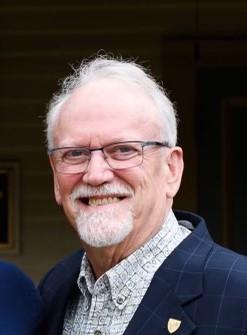
For more than 15 years, Barry Doublestein, DSL, MA, FCCWS, has helped shape the culture of the Department of Head and Neck Surgery & Communication Sciences. Although he’s not a faculty or staff member, he feels like a part of the team, nonetheless.
A professional coach, Doublestein has become a trusted partner over the years, working with the department to cultivate a culture centered on servant leadership, professionalism, and personal growth. The approach is intentional about including everyone, regardless of role, and emphasizes supporting others — not only patients but colleagues as well.
According to Doublestein, servant leadership, the idea that leaders exist to serve others rather than themselves, is especially relevant in medicine.
“Most of the time, residents have so much coming at them, they put blinders on and say, ‘Just tell me what I have do, and I'll do it,’” Doublestein said. “But that's not what we want. We want people who have an intrinsic motivation to serve others.”
He said medical schools are good at teaching skills, such as how to perform procedures and diagnose illnesses. However, technical expertise alone is not enough.
“We're very good at teaching technique,” he said. “But here's where it gets interesting. How do you deliver that care? This is the side that often gets neglected.”
To help address that gap, Doublestein codeveloped the Professionalism Intelligence Model, which focuses on balancing three dimensions of professional growth: cognitive intelligence (how people think), emotional intelligence (how people relate to others), and leadership intelligence (how people act and influence others). The dimensions are anchored on virtues such as initiative, integrity, responsibility, compassion, and accountability.
The model serves as the foundation for two department programs, Leadership Lived Out (LLO) and Servant Leadership Lived Out (SLLO). Through assessments and individualized coaching, participants strengthen skills such as self-awareness, communication, empathy, and leadership.
Leadership Lived Out is open to all employees across the department, while Servant Leadership Lived Out prepares individuals for greater leadership responsibilities. One key component of the coaching process helps participants understand the difference between how they view themselves and how others experience them.
“People act in one of two ways: how they think they act, and how others see them acting, and there's always a gap,” he said. “Our whole focus of the LLO program is to help people identify their gaps. Then, we coach to close the gaps.”
Doublestein said the department's long-term commitment to leadership development is unusual among surgical specialties and has helped create a culture where people continue learning long after completing the programs. Some participants remain in touch years later, seeking guidance and coaching as they take on new challenges and responsibilities.
He credits Chair Howard Francis, MD, MBA; Walter Lee, MD, MHSc, professor and chief of staff; and other department leaders for their commitment to helping everyone in the department thrive through a culture of servant leadership.
Ultimately, Doublestein believes the department's approach can be summed up in a simple idea: "Leadership is a verb. It's the process of taking people to a place they wouldn't go on their own."